Discover Oolong Tea

Natural Benefits
Oolong tea is naturally rich in tea polyphenols and is prized for its antioxidant properties. With its refined character and everyday ritual, oolong offers a thoughtful way to enjoy wellbeing in every cup.
Enhances metabolism
Lightly oxidised oolong can effectively assist in weight management, giving your metabolism that extra needed boost.
Supports heart health
Regular consumption of this tea may help to lower cholesterol levels and improve cardiovascular health!
Rich in antioxidants
Packed with polyphenols, Oolong tea promotes healthy, youthful skin, keeping you glowing all day everyday.
Reduces Stress and Anxiety
Thanks to the amino acid L-theanine, Oolong tea is your perfect companion for a moment of tranquillity. It promotes relaxation, eases stress, and lifts your mood – all without making you feel drowsy.
Disclaimer: These benefits are based on research studies, but individual results may vary. It’s important to note that this information is for educational purposes only. Please consult with a healthcare professional for personalised medical advice before making any changes to your diet or health regimen.


The Refined Taste of Oolong:
A Smooth, Complex Tea Experience
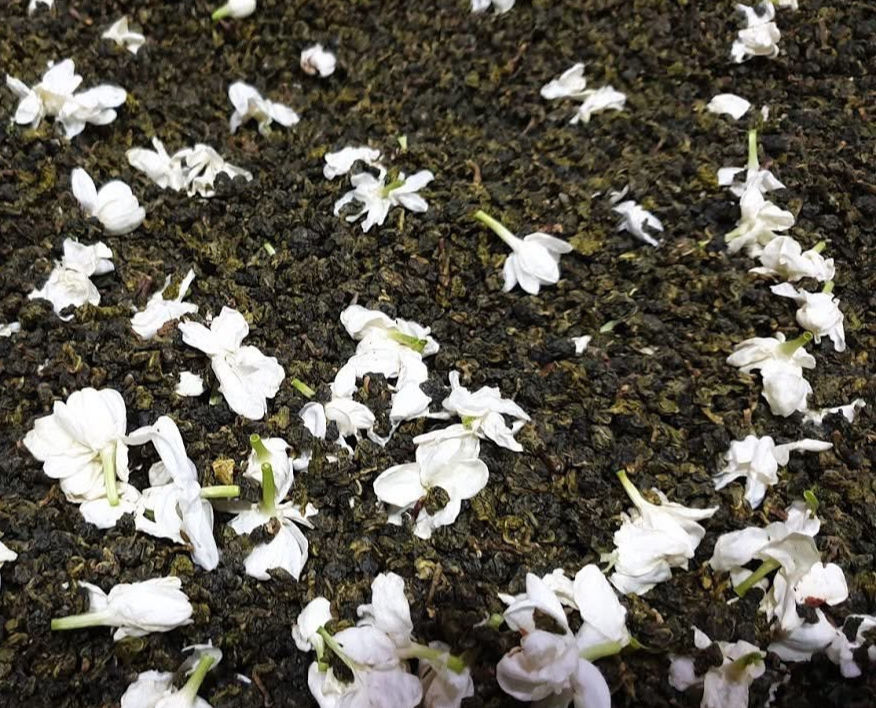
Oolong tea offers a more refined and complex flavour profile compared to other teas. Its smooth, layered taste strikes the perfect balance between the lightness of green tea and the richness of black tea, without the bitterness or harshness.
Unlike black tea, oolong doesn’t need milk to soften its flavour — its natural sweetness and delicate floral or fruity notes make it an enjoyable experience on its own. This elegant brew delivers a richer, more satisfying sip that truly elevates the tea experience.

The Most Craftsmanship-Intensive Tea, Making Oolong Special
Did you know oolong tea is one of the most difficult teas to craft, requiring true artisan craftsmanship? The intricate process of partial oxidation, precise rolling, and expert timing allows oolong to develop its signature complex flavours. This attention to detail creates a tea with layered floral, fruity, and roasted notes, offering a rich and sophisticated taste experience like no other.
Crafting Excellence: Artistry of Oolong Tea
Step into the world of oolong tea, where centuries-old tradition meets modern craftsmanship to create a beverage unlike any other. Our journey begins with the careful selection of only the finest tea leaves, hand-picked by skilled artisans from lush tea gardens.
01.
Plucking
This is the meticulous process of hand-selecting tender leaves and buds from tea bushes. Skilled workers carefully harvest only the finest parts, ensuring exceptional quality.

02.
Solar Withering
Freshly plucked tea leaves are spread out and frequently flipped to reduce moisture content and activate enzymes. This process is crucial for developing the desired flavors and aromas in the final tea product.

03.
Indoor Withering
Leaves are spread and frequently flipped indoors to continue reducing moisture content and developing flavours.

04.
Tumbling & Settling
This process is repeated several times to break down the cell walls of the leaves and initiate oxidation, leading to the development of desired flavours and aromas in the tea.

05.
Fixation (Panning)
This process is repeated several times in 280-300°C to help remove excess moisture from the leaves and further develop their flavours and aromas.

06.
Kneading, rolling, drying and settling
This process begins shaping the leaves. The tea leaves are manipulated to encourage the release of juices and enhance the development of desired characteristics in the final tea product.


07.
Mass Shaping
The initial process consists of compressing, tumbling in heat for 5-6 times, then drying at 60-100°C for 1.5 hours each time. This entire sequence is repeated 5-6 times.


08.
Ball-shape rolling
The process consists of compressing the tea leaves into balls using cloth and then unfurling them. It's repeated 3-4 times until the tea leaves are tightly shaped into balls.


09.
Final Drying
The tea is dried at temperatures ranging from 95°C to 110°C for 3-5 cycles to ensure the moisture level is below 4%.


10.
Wind Sifting and Vacuum Packaging
Wind sifting helps to remove impurities and separate high-quality tea leaves that are retained for vacuum packaging.


Iconic Ball-Shaped Oolong Tea

The ball-shaped style of Taiwanese Oolong tea was inspired by traditional tea processing techniques from Fujian province, China, particularly the Wuyi Mountains and Anxi regions, where tea leaves were often tightly rolled during processing. This method, used since the 18th century in China, was originally developed to preserve the tea's freshness and enhance its flavour over time.
In the late 19th century, as Taiwan’s tea industry flourished, tea masters began adapting and refining these techniques, especially for high-mountain Oolong varieties like Tung Ting, Alishan, and Lishan. By the early 20th century, the ball-rolling process had become a defining characteristic of Taiwanese Oolong. This method involves withering, rolling, and shaping the leaves into small, tightly rolled balls, which helps preserve the essential oils and aromas. When brewed, these ball-shaped leaves unfurl, releasing a complex range of flavours and aromas.
Over the decades since 1930s, Taiwanese tea masters introduced further innovations, creating teas with a smoother, more aromatic profile than some of their Chinese counterparts, thanks to Taiwan’s unique climate and terroir. By the mid-20th century, this ball-shaped style became iconic in Taiwan and is now one of the most recognisable forms of Oolong tea worldwide.